Explore our comprehensive selection of services that cater to a variety of needs.
L T PANEL
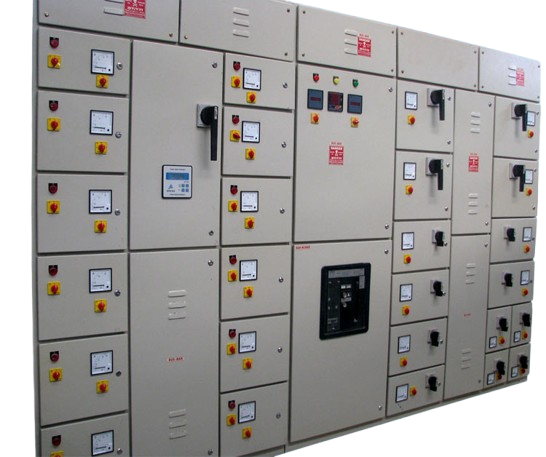
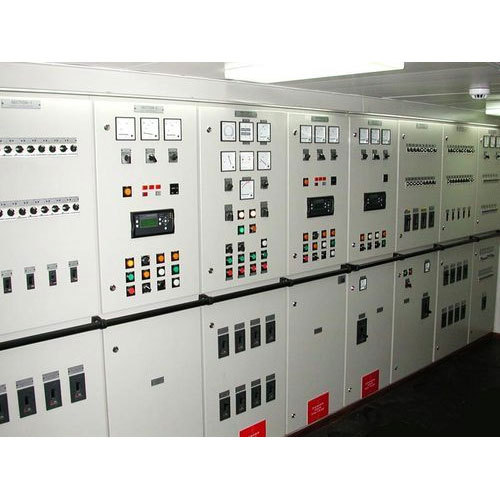
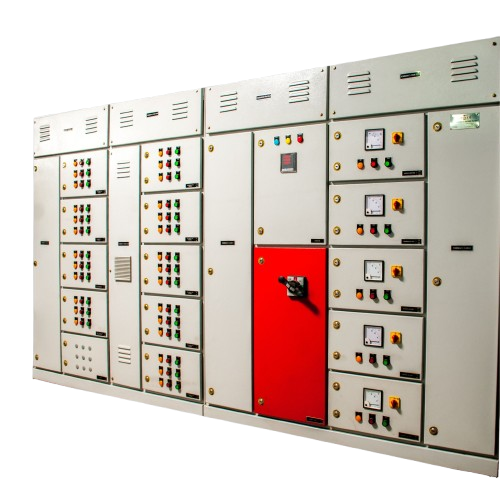
LT Panels, also known as Low Tension Electrical Panels, are electrical distribution boards used to receive power from a transformer or generator and distribute it safely at low voltage levels (up to 415V AC) to various electrical loads. They are a critical part of any electrical power system in residential, commercial, and industrial installations.
Functions of LT Panels Safe distribution of electrical power Protection against electrical faults Monitoring energy usage Efficient load management Ensures uninterrupted power supply Enhances system reliability and safety
Applications of LT Panels Residential Buildings – Apartments, villas Commercial Buildings – Malls, offices, hospitals, hotels Industrial Plants – Factories, manufacturing units Infrastructure Projects – Airports, metro stations, data centers Utilities – Water treatment plants, pumping stations.
Advantages of LT Panels Reliable power distribution Easy maintenance and troubleshooting Enhanced electrical safety Energy-efficient operation Customizable as per load requirements
LT Panels are the backbone of low-voltage power distribution systems. Proper design, quality components, and adherence to safety standards ensure efficient power management, reduced downtime, and long-term reliability in electrical installations.
DISTIBUTION PANEL
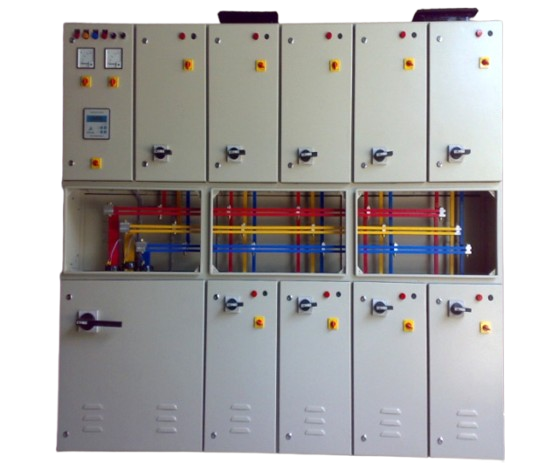
A Distribution Panel (DP), also known as a Distribution Board (DB), is a key electrical component used to distribute electrical power safely and efficiently from a main power source to multiple circuits within a building or facility. It ensures proper control, protection, and isolation of electrical circuits supplying lighting, sockets, and equipment.
Functions of a Distribution Panel Distributes electrical power to multiple circuits Protects circuits from overload and short circuits Prevents electric shock through leakage protection Allows isolation for maintenance Ensures balanced and efficient power usage
Applications of Distribution Panels Residential: Homes, apartments, villas Commercial: Offices, malls, hotels, hospitals Industrial: Factories, workshops, warehouses Infrastructure: Airports, metro stations, data centers
Advantages of Distribution Panels Safe and organized power distribution Easy fault identification and isolation Improved electrical safety Reduced maintenance downtime Scalable and customizable design
Distribution Panels are the final and most important link between the power source and electrical loads. A well-designed distribution panel ensures safety, reliability, and efficient energy usage, making it essential for modern electrical systems
MCC PANEL
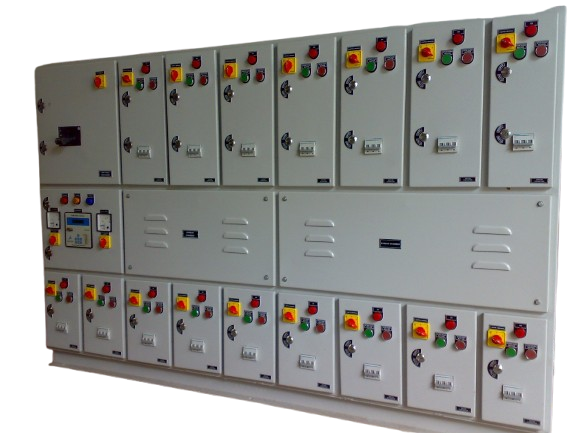
A Motor Control Center (MCC) Panel is a centralized electrical assembly used to control, protect, and monitor electric motors and motor-driven equipment. MCC panels play a vital role in industrial and commercial electrical systems, ensuring safe, reliable, and efficient operation of motors. An MCC panel is a low-voltage switchgear panel that receives power from an LT/PCC panel and distributes it to multiple motors and feeders. It houses motor starters, protection devices, control circuits, and monitoring instruments in a single enclosure.
Functions of MCC Panels Starting and stopping motors Protecting motors from electrical faults Monitoring motor performance Centralized motor control Reducing downtime and maintenance effort
Applications of MCC Panels Manufacturing Industries Water & Wastewater Treatment Plants HVAC Systems Cement, Steel, and Power Plants Oil & Gas Industries Pumping Stations & Refineries
Advantages of MCC Panels Centralized motor control Enhanced motor protection Improved operational safety Easy troubleshooting Reduced wiring complexity Customizable and scalable design
MCC panels are the heart of motor operations in industrial electrical systems. A well-designed MCC panel improves motor life, operational efficiency, safety, and reliability, making it essential for modern automated industries.
VFD PANEL
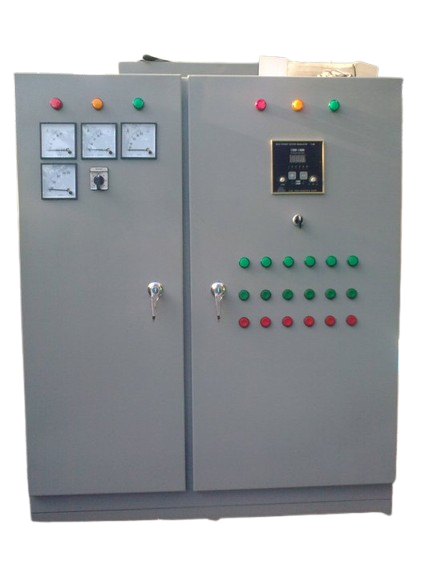
A Generator VFD Panel is a specialized electrical control panel that integrates a Variable Frequency Drive (VFD) with a diesel generator (DG) or power source to control the speed and operation of motors efficiently while ensuring compatibility with generator power. These panels are designed to provide energy efficiency, smooth motor control, and generator protection, especially in applications where motors are powered by generators. A Generator VFD Panel is a low-voltage motor control panel that uses a VFD (Variable Frequency Drive) to regulate motor speed, torque, and direction while operating on generator supply. It is engineered to handle generator-specific challenges such as voltage fluctuations, frequency variations, and harmonics.
Working Principle of Generator VFD Panels Generator supplies power to the VFD panel VFD converts fixed AC to DC, then back to variable AC Motor starts smoothly at low frequency Speed increases gradually to desired value Load is controlled without stressing generator VFD adjusts speed based on load demand.
Applications of Generator VFD Panels Water supply and irrigation pumps Sewage and wastewater treatment plants HVAC systems Oil & gas installations Mining operations Remote industrial sites Construction projects
Advantages of Generator VFD Panels Reduced generator size requirement Lower fuel consumption Smooth motor operation Extended motor and generator life Reduced maintenance costs Improved power quality
Generator VFD Panels are essential for efficient motor control on generator power. Their ability to reduce starting current, manage load smoothly, and protect generators makes them ideal for industrial, infrastructure, and remote power applications.
AMF PANEL
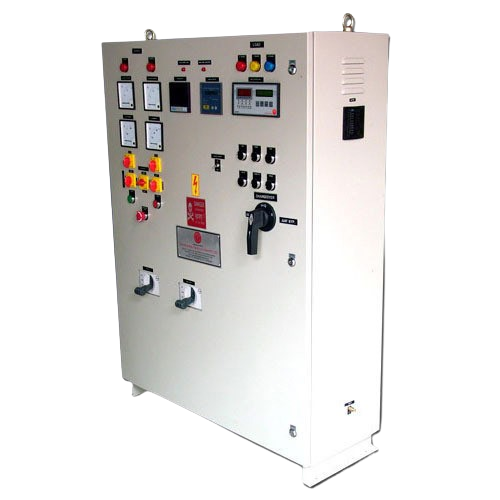
An AMF Panel (Automatic Mains Failure Panel) is an essential electrical control system designed to ensure uninterrupted power supply by automatically managing the changeover between the main utility power and a diesel generator (DG). At Global Technologies, we design and manufacture high-quality AMF Panels that provide reliable, safe, and fully automatic power backup solutions for industrial, commercial, and residential applications.
The AMF panel continuously monitors the incoming mains supply for voltage, frequency, and phase conditions. In the event of a power failure or abnormal conditions, the panel automatically starts the DG set, transfers the load to the generator, and restores the load back to the mains once power returns—without manual intervention.
Continuous monitoring of mains voltage, frequency, and phase sequence Automatic start and stop of the diesel generator Automatic changeover between mains and DG supply Protection against overload, short circuit, under-voltage, over-voltage, and phase failure Safe and smooth power transfer with minimal interruption
Types of AMF Panels We Manufacture Single DG AMF Panels Multiple DG AMF Panels AMF Panels with Load Sharing AMF Panels with Manual / Auto Modes Customized AMF Panels as per client requirements
Applications of AMF Panels Industrial plants & factories Hospitals & healthcare facilities Commercial buildings & offices Data centers & IT parks Residential complexes Hotels, malls, and infrastructure projects
INDUSTRIAL PANEL
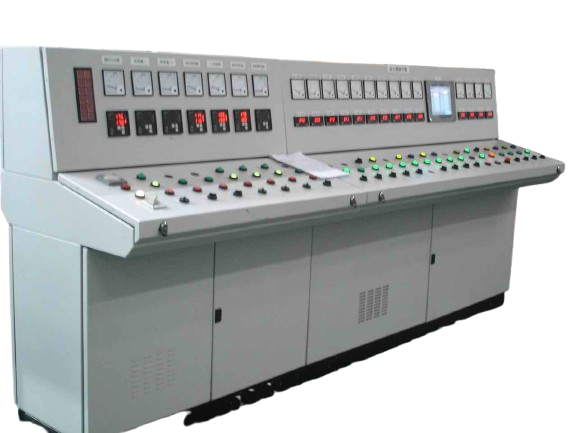
Industrial Control Panels are the backbone of modern industrial operations, providing centralized control, protection, and automation of electrical systems and machinery. At Global Technologies, we design and manufacture robust, reliable, and customized Industrial Control Panels that ensure smooth operation, safety, and efficiency across a wide range of industries. Our panels are engineered to control motors, machinery, and processes by integrating electrical components such as circuit breakers, contactors, relays, PLCs, VFDs, meters, and protection devices within a well-structured enclosure. Each panel is designed according to the client’s application requirements, load capacity, operating environment, and industry standards.
Key Features & Benefits Custom Engineering: Panels designed as per specific process and load requirements High Safety Standards: Protection against short circuit, overload, earth fault, and voltage fluctuations Premium Components: Use of reputed brands ensuring durability and long service life Energy Efficiency: Optimized design for reduced power loss and improved performance User-Friendly Design: Clear wiring layout, proper labeling, and easy access for maintenance Future Ready: Provision for expansion and automation upgrades
Applications & Industries Served Our industrial control panels are widely used in: Manufacturing & Process Industries Power Plants & Utilities Water Treatment & Pumping Stations HVAC & Building Automation Pharmaceuticals & Food Processing Infrastructure & Commercial Projects
APFC PANEL
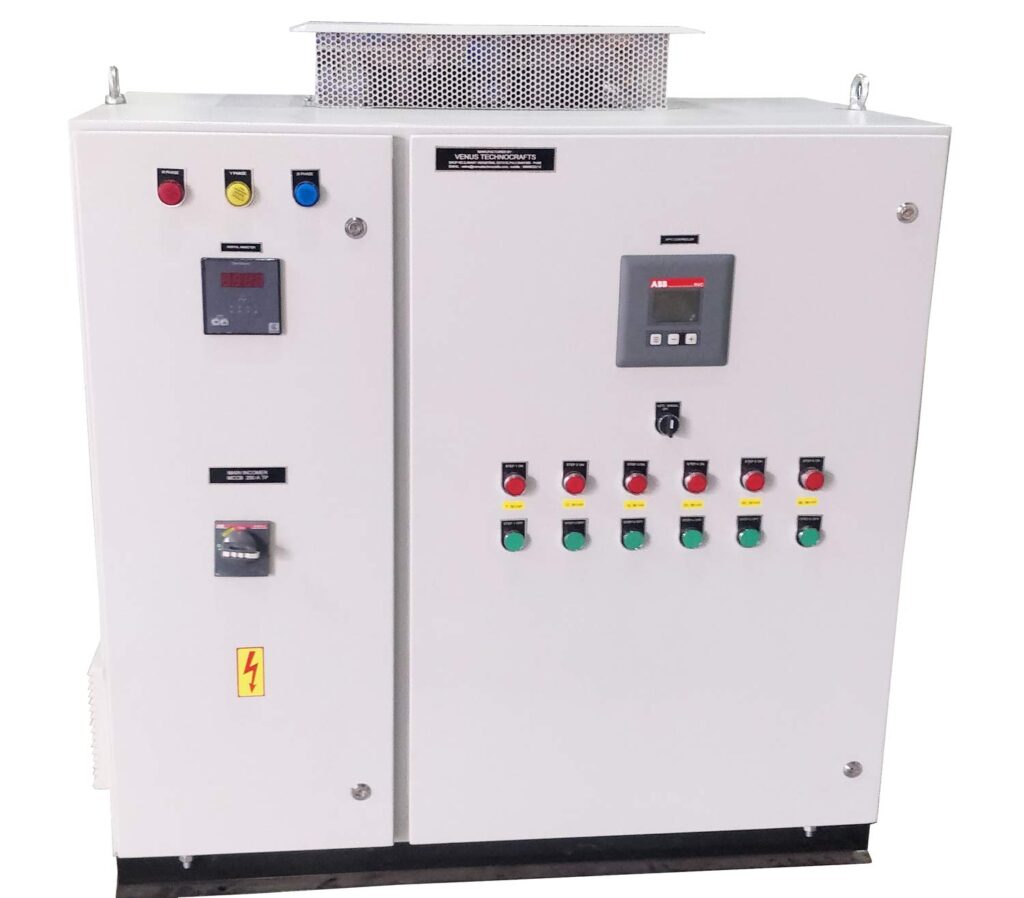
An APFC Panel is an electrical control panel used to automatically improve and maintain the power factor of an electrical system by switching capacitor banks ON or OFF as per load requirements. Maintaining a good power factor helps reduce electricity bills, avoid utility penalties, and improve overall system efficiency. An Automatic Power Factor Correction (APFC) Panel is a low-voltage electrical panel that continuously monitors the power factor of the system and automatically connects or disconnects capacitor banks to maintain the desired power factor (typically 0.95 to 0.99).
Functions of APFC Panels Automatic power factor improvement Reduction of reactive power demand Lower electricity bills Avoidance of utility penalties Improved voltage stability Reduced losses in cables and transformers
Applications of APFC Panels Manufacturing industries Commercial buildings IT parks and data centers Hospitals and hotels Shopping malls Water treatment plants
Advantages of APFC Panels Automatic and maintenance-friendly operation Improved system efficiency Reduced power losses Increased life of electrical equipment Compact and modular design
APFC panels are essential for energy-efficient electrical systems. By maintaining an optimal power factor automatically, they help industries and commercial establishments save energy costs, improve power quality, and ensure compliance with utility norms.
PLC BASED PANEL
PLC-Based Panels (Programmable Logic Controller Panels) are advanced industrial control panels used to automate, monitor, and control machines and processes. They replace traditional relay-based systems with a flexible, programmable, and highly reliable control solution, making them a core element of modern industrial automation. A PLC-Based Panel is an electrical control panel that houses a Programmable Logic Controller (PLC) along with power supplies, input/output modules, communication devices, protection components, and operator interfaces. The PLC executes programmed logic to control equipment based on real-time input signals.
Functions of PLC-Based Panels Machine and process automation Sequential control Timing and counting operations Data acquisition and monitoring Alarm and fault handling Energy and efficiency optimization
Applications of PLC-Based Panels Manufacturing and assembly lines Water & wastewater treatment plants Power plants and substations Oil & gas industries HVAC and building automation Packaging and material handling systems
Advantages of PLC-Based Panels Compact and neat wiring Easy troubleshootin High operational efficiency Reduced downtime Long service life Easy modification and upgrades
PLC-Based Panels are the backbone of industrial automation. Their flexibility, reliability, and intelligence make them ideal for modern industries requiring precise control, efficiency, and scalability.
SINGLE PHASE PANEL
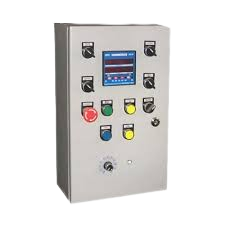
A Single Phase Electric Control Panel is an electrical enclosure used to control, distribute, and protect single-phase power supply (typically 230V AC) for various electrical loads. These panels are widely used in residential, commercial, and light industrial applications where three-phase power is not required.
Typical Applications Homes and apartments Small offices and shops Water pumps and borewell pumps HVAC units (small capacity) Lighting control systems Small machines and tools Agriculture and irrigation systems.
Types of Single Phase Control Panels Single Phase Motor Control Panel Pump Control Panel Lighting Control Panel Automatic Changeover Panel (Single Phase) Solar Single Phase Control Panel
Advantages Simple design and easy operation Cost-effective solution Compact size Low maintenance Suitable for small power requirements
A Single Phase Electric Control Panel is a reliable and essential electrical system designed to control and protect single-phase electrical loads. It ensures safe operation, efficient power management, and long equipment life in residential, commercial, and small industrial setups.
GENERATOR SYNCHRONIZING PANEL
Generator Synchronizing Panels are advanced electrical control panels used to operate two or more generators in parallel with each other and/or with the utility grid. These panels ensure that generators share load safely and efficiently by matching critical electrical parameters before connection. A Generator Synchronizing Panel is a low-voltage power and control panel that monitors, controls, and protects multiple generator sets (DGs) operating on a common busbar system. It ensures that voltage, frequency, phase sequence, and phase angle are synchronized before connecting generators together.
Generator synchronizing panels are used to: Increase total power capacity Ensure uninterrupted power supply Provide redundancy (N+1 configuration) Share load equally among generators Optimize fuel efficiency Enable maintenance without shutdown Allow DG + Grid parallel operation
Applications Data centers and IT parks Hospitals and healthcare facilities Airports and metro stations Industrial plants Power generation plants Commercial complexes
Advantages of Generator Synchronizing Panels High reliability and redundancy Scalable power generation Fuel-efficient operation Reduced generator wear Seamless load management Uninterrupted power supply.
Generator Synchronizing Panels are essential for large-scale and mission-critical power systems. They ensure safe paralleling, efficient load sharing, and reliable operation of multiple generators, making them a backbone of modern power infrastructure.